
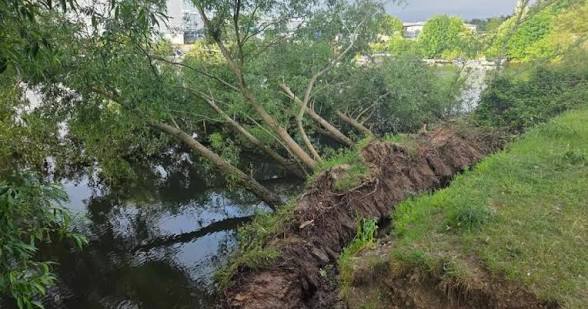

The riverbank collapse Iford Playing Fields incident has raised concerns among local residents, visitors, and environmental experts. Riverbank erosion and collapse can affect public safety, damage natural habitats, and threaten nearby infrastructure. Understanding what happened at Iford Playing Fields and the factors behind the collapse helps residents stay informed and aware of potential risks.
This guide explains the causes of the riverbank collapse at Iford Playing Fields, its impact, and what can be done to prevent similar issues in the future.
Understanding the Riverbank Collapse at Iford Playing Fields
A riverbank collapse occurs when soil and vegetation along the edge of a river become unstable and give way. At Iford Playing Fields, the collapse has highlighted the ongoing challenge of managing erosion and protecting public spaces located near waterways.
Riverbanks naturally change over time, but sudden collapses can create hazards for:
- Walkers and cyclists
- Sports players and visitors
- Wildlife habitats
- Nearby footpaths and infrastructure
Understanding the reasons behind the collapse is essential for long-term management.
Where Are Iford Playing Fields?
Iford Playing Fields are a popular recreational area used for:
- Football matches
- Community events
- Walking and jogging
- Outdoor activities
- Family gatherings
The proximity of the fields to the river makes the area attractive but also exposes it to erosion and flooding risks.
What Causes Riverbank Collapse?
Several factors can contribute to riverbank instability.
Heavy Rainfall
Prolonged rainfall increases water levels and saturates the soil. Excess water weakens the riverbank and may eventually cause sections to collapse.
Common effects include:
- Softening of the ground
- Increased pressure within the soil
- Faster erosion
Strong River Flow
High water velocity can gradually remove sediment from the base of the bank.
Over time, this process creates:
- Undercutting
- Loss of support
- Sudden land failure
Natural Erosion
Erosion is a normal process in rivers.
Factors influencing erosion include:
- Seasonal changes
- River currents
- Soil composition
- Weather conditions
Loss of Vegetation
Plants and trees help stabilize riverbanks through their root systems.
Without vegetation, soil becomes more vulnerable to:
- Washouts
- Surface erosion
- Structural failure
Human Activity
Human activities may accelerate erosion, including:
- Construction near rivers
- Removal of trees
- Increased foot traffic
- Poor drainage systems
Signs That a Riverbank May Collapse
Experts often monitor warning signs before major failures occur.
These include:
- Cracks in the ground
- Leaning trees
- Exposed roots
- Small landslides
- Sinking paths
- Rapid erosion after storms
Recognizing these signs can help authorities respond before conditions become dangerous.
Impact of the Riverbank Collapse Iford Playing Fields
Safety Risks
Collapsed banks can create hazards for people using the area.
Potential dangers include:
- Falling into the river
- Slips and trips
- Unstable ground
- Restricted access to pathways
Damage to Recreational Areas
Iford Playing Fields are widely used by the local community.
Riverbank failures can affect:
- Sports facilities
- Walking routes
- Open green spaces
- Community events
Environmental Effects
Riverbanks provide important habitats for wildlife.
A collapse can disrupt:
- Fish populations
- Birds and nesting sites
- Aquatic plants
- Small mammals and insects
Infrastructure Concerns
Nearby structures could also be affected, such as:
- Footpaths
- Fences
- Drainage systems
- Utilities
Long-term monitoring becomes important after such incidents.
Why Riverbank Erosion Is Becoming More Common
Several broader factors are increasing erosion problems around the world.
Climate Change
Changing weather patterns have led to:
- More intense rainfall
- Increased flooding
- Higher river flows
These conditions place greater pressure on riverbanks.
Aging Infrastructure
Older drainage and flood control systems may struggle to handle extreme weather events.
Urban Development
Expanding towns and cities often reduce natural land absorption.
This can increase:
- Surface runoff
- Soil instability
- Riverbank erosion
How Authorities Respond to Riverbank Collapses
After a collapse, local authorities typically follow several steps.
Step 1: Assess the Damage
Engineers inspect:
- The extent of the collapse
- Soil conditions
- Potential risks to the public
Step 2: Restrict Access
Danger zones may be fenced off to prevent accidents.
Warning signs are often installed to protect visitors.
Step 3: Conduct Environmental Studies
Specialists evaluate:
- Wildlife impacts
- River flow patterns
- Long-term stability
Step 4: Repair and Stabilization
Possible solutions include:
- Replanting vegetation
- Installing retaining structures
- Reinforcing the bank
- Improving drainage
Riverbank Protection Methods
Planting Native Vegetation
Tree roots and shrubs provide natural reinforcement.
Benefits include:
- Better soil stability
- Reduced erosion
- Improved biodiversity
Rock Armour Protection
Large stones can absorb the force of moving water and protect vulnerable areas.
Geotextile Materials
Special fabrics are used to strengthen soil and reduce erosion.
Improved Drainage
Managing excess water helps prevent soil saturation and instability.
What Residents and Visitors Should Do
People visiting Iford Playing Fields should:
- Stay behind safety barriers.
- Follow warning signs.
- Avoid unstable ground.
- Keep children away from damaged areas.
- Report new cracks or erosion to local authorities.
Public cooperation helps reduce accidents and supports ongoing repair work.
Long-Term Importance of Riverbank Management
Protecting riverbanks benefits both people and nature.
Effective management helps:
- Preserve green spaces
- Reduce flood risks
- Protect wildlife habitats
- Maintain recreational facilities
- Prevent expensive repairs
Communities that invest in riverbank protection often experience fewer disruptions and greater environmental resilience.
Final Thoughts
The riverbank collapse Iford Playing Fields event highlights the importance of monitoring erosion and maintaining riverside areas. Factors such as heavy rainfall, strong river flows, vegetation loss, and natural erosion all contribute to riverbank instability.