

Introduction
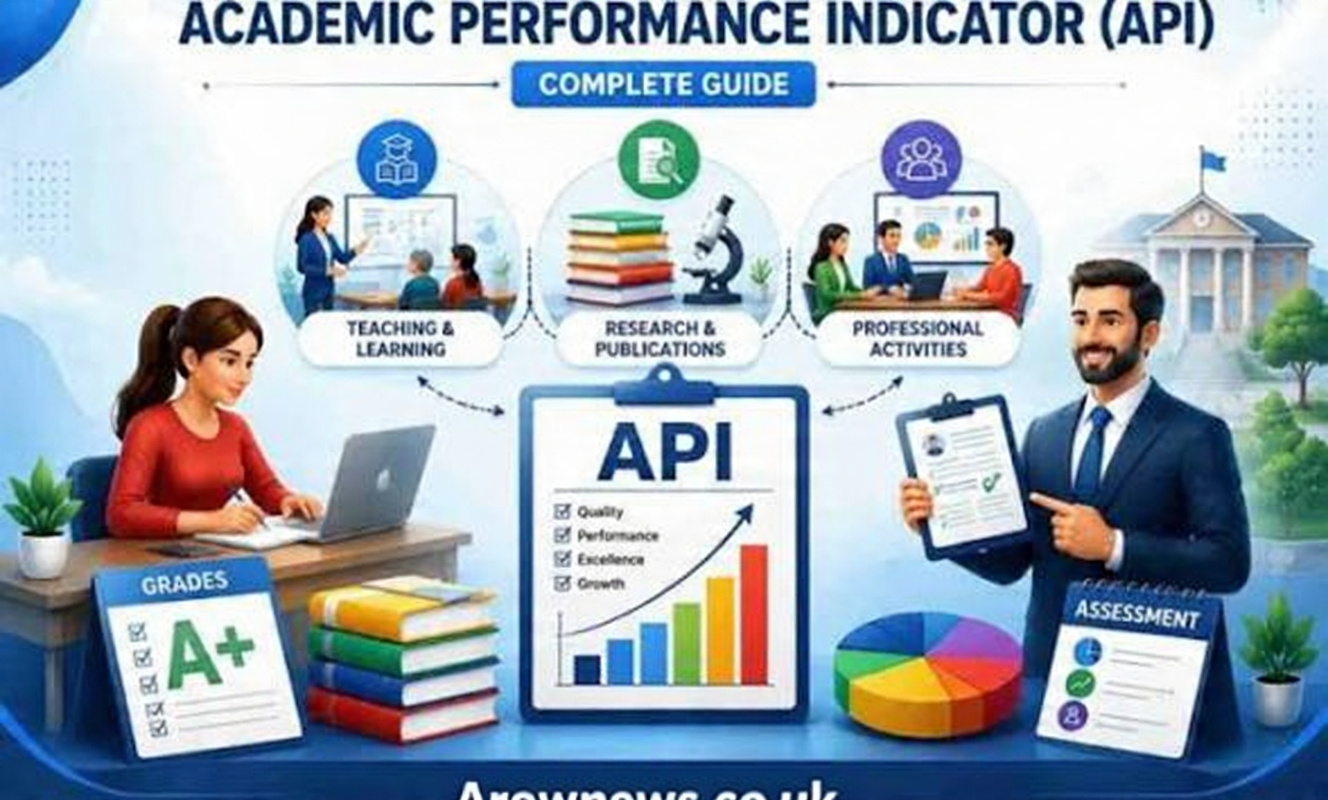
An academic performance indicator is a measurable factor used to evaluate a student’s educational progress, achievement, and overall learning outcomes. Schools, colleges, universities, and educational organizations use academic performance indicators to assess how effectively students are meeting academic goals.
These indicators help educators identify strengths, weaknesses, and areas that need improvement. They also provide valuable insights for students, parents, teachers, and administrators when making educational decisions.
In this guide, you’ll learn what an academic performance indicator is, why it matters, common types of indicators, how they are measured, and practical strategies for improving academic performance.
What Is an Academic Performance Indicator?
An academic performance indicator is a specific metric used to measure a student’s academic success. These indicators provide objective data about learning progress and educational achievement.
Simply put, an academic performance indicator answers questions such as:
- How well is a student performing?
- Is learning improving over time?
- Are educational goals being achieved?
- Which areas need additional support?
Educational institutions use these indicators to track student outcomes and improve teaching effectiveness.
Simple Example
If a student earns high grades in mathematics throughout the year, those grades serve as an academic performance indicator showing strong achievement in that subject.
Why Academic Performance Indicators Are Important
Academic performance indicators play a critical role in modern education.
For Students
They help students:
- Monitor progress
- Set academic goals
- Identify weaknesses
- Improve study habits
For Teachers
Teachers use indicators to:
- Evaluate learning outcomes
- Adjust teaching methods
- Provide targeted support
- Track classroom performance
For Parents
Parents can:
- Understand academic progress
- Support learning at home
- Identify potential concerns early
For Schools
Educational institutions use academic performance indicators to:
- Measure educational quality
- Improve curriculum design
- Meet accreditation standards
- Compare performance across groups
Common Types of Academic Performance Indicators
Different institutions use various indicators to assess academic success.
1. Grade Point Average (GPA)
GPA is one of the most widely used academic performance indicators.
It measures overall academic achievement by averaging grades across subjects.
Example
A student with a GPA of 3.8 generally demonstrates stronger academic performance than a student with a GPA of 2.5.
2. Examination Scores
Test and exam results are important indicators of learning outcomes.
These include:
- Midterm exams
- Final exams
- Standardized tests
- Entrance examinations
Exam scores provide measurable evidence of subject knowledge.
3. Attendance Rate
Regular attendance often correlates with better academic outcomes.
Schools track:
- Attendance percentage
- Absences
- Tardiness
- Participation rates
Students with consistent attendance often perform better academically.
4. Assignment Completion
Completing assignments on time demonstrates responsibility and engagement.
Indicators may include:
- Submission rates
- Assignment quality
- Homework completion
- Project performance
This helps teachers evaluate student commitment to learning.
5. Classroom Participation
Active participation is another valuable academic performance indicator.
Examples include:
- Asking questions
- Joining discussions
- Group activities
- Presentations
Participation often reflects engagement and understanding.
6. Graduation Rate
At the institutional level, graduation rates serve as major performance indicators.
Higher graduation rates often indicate:
- Effective teaching
- Strong student support systems
- Academic success
Universities frequently monitor this metric closely.
7. Learning Outcome Achievement
Many institutions evaluate whether students achieve predefined learning objectives.
For example:
A biology course may require students to understand cell structure and function.
Achievement of these objectives becomes an academic performance indicator.
Characteristics of an Effective Academic Performance Indicator
Not all indicators provide useful information.
An effective academic performance indicator should be:
Measurable
Data must be quantifiable and easy to track.
Reliable
Results should remain consistent over time.
Relevant
Indicators must align with educational goals.
Actionable
Results should help improve decision-making.
Easy to Understand
Students, parents, and educators should interpret results easily.
Factors That Influence Academic Performance Indicators
Several factors can affect student performance.
Study Habits
Students who follow structured study routines often achieve better results.
Motivation
High motivation typically leads to stronger academic outcomes.
Learning Environment
A positive educational environment supports learning success.
Teacher Quality
Effective teaching methods can significantly improve performance indicators.
Family Support
Parental involvement often contributes to academic achievement.
Health and Well-Being
Physical and mental health directly affect concentration and learning ability.
How Schools Measure Academic Performance Indicators
Educational institutions use multiple methods to collect performance data.
Quantitative Methods
These include:
- Test scores
- GPA calculations
- Attendance percentages
- Graduation rates
Qualitative Methods
These may involve:
- Teacher observations
- Student feedback
- Classroom behavior assessments
- Project evaluations
Combining both approaches provides a more complete picture of student performance.
Benefits of Using Academic Performance Indicators
Better Decision-Making
Data-driven insights help educators make informed decisions.
Early Identification of Problems
Schools can identify struggling students before issues become severe.
Improved Teaching Strategies
Teachers can adjust instruction based on performance trends.
Increased Accountability
Students and educators become more focused on measurable outcomes.
Enhanced Educational Planning
Institutions can allocate resources more effectively.
Challenges of Academic Performance Indicators
While useful, academic performance indicators also have limitations.
Overemphasis on Grades
Grades alone may not fully represent student abilities.
Test Anxiety
Some students perform poorly on exams despite understanding the material.
Limited Measurement Scope
Certain skills such as creativity and leadership can be difficult to measure.
External Influences
Personal circumstances may affect performance results.
For this reason, multiple indicators should be used whenever possible.
How Students Can Improve Academic Performance Indicators
Improvement requires consistent effort and effective strategies.
Set Clear Goals
Define specific academic objectives.
Example:
Instead of saying “I want better grades,” set a goal like “I want to improve my math score from 75% to 85%.”
Create a Study Schedule
Organized study plans improve productivity and retention.
Attend Classes Regularly
Consistent attendance supports better understanding of course material.
Complete Assignments on Time
Timely submissions positively impact performance indicators.
Seek Help When Needed
Students should ask teachers, tutors, or classmates for assistance when facing difficulties.
Practice Time Management
Effective scheduling helps balance academics and other responsibilities.
Review Progress Frequently
Monitoring performance allows students to identify areas for improvement early.
Real-World Example of Academic Performance Indicators
Consider a high school student named Sarah.
Her academic performance indicators include:
- GPA: 3.7
- Attendance: 96%
- Mathematics Score: 88%
- Science Score: 91%
- Assignment Completion Rate: 100%
By reviewing these indicators, teachers can see that Sarah is performing well overall while identifying opportunities for further growth.
This demonstrates how academic performance indicators provide meaningful insights into student achievement.
Academic Performance Indicators in Higher Education
Universities often use additional indicators such as:
- Research participation
- Course completion rates
- Credit accumulation
- Internship performance
- Professional certifications
These indicators help prepare students for future careers and advanced education.
Frequently Asked Questions
What Is the Most Common Academic Performance Indicator?
Grade Point Average (GPA) is one of the most commonly used indicators worldwide.
Are Grades the Only Academic Performance Indicator?
No. Attendance, test scores, participation, assignment completion, and graduation rates are also important indicators.
Why Are Academic Performance Indicators Important?
They help measure learning outcomes, identify areas for improvement, and support educational decision-making.
Can Academic Performance Indicators Be Improved?
Yes. Consistent study habits, regular attendance, effective time management, and goal setting can significantly improve performance.
Conclusion
An academic performance indicator is a valuable tool for measuring educational achievement and student progress. Indicators such as GPA, exam scores, attendance, assignment completion, and learning outcomes provide important insights into academic success.