
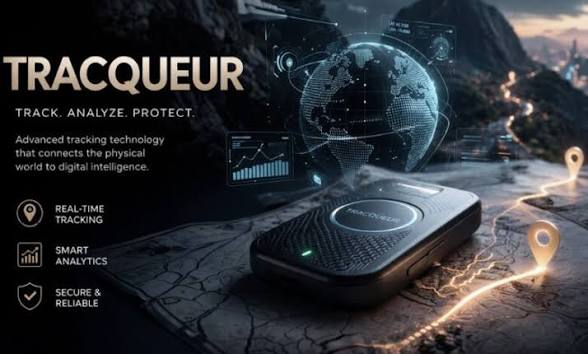
The term tracqueur has gained attention online, leaving many people wondering what it means and how it is used. Depending on the context, may refer to tracking technologies, software tools, or systems designed to monitor locations, activities, or performance.
In this guide, we’ll explain everything you need to know about , including its meaning, common applications, advantages, and how tracking systems work in everyday life.
What Does Tracqueur Mean?
The word is derived from the French language and is closely associated with the English word “tracker.”
In general, a refers to a device, application, or system that helps monitor or follow something.
Examples include:
- GPS trackers.
- Vehicle tracking systems.
- Fitness trackers.
- Package tracking tools.
- Website analytics trackers.
- Employee monitoring systems.
Because tracking technologies have become increasingly common, interest in the term continues to grow.
How Does a Tracqueur Work?
A works by collecting information and transmitting it to users or systems that need the data.
The process usually involves:
Step 1: Data Collection
The tracker gathers information such as:
- Location.
- Movement.
- Speed.
- Activity levels.
- User behavior.
Step 2: Data Transmission
The information is sent through:
- GPS networks.
- Mobile networks.
- Wi-Fi connections.
- Bluetooth technology.
Step 3: Analysis and Monitoring
Users can then view and analyze the information through software or applications.
For example, a vehicle owner can check the real-time location of a car using a GPS .
Types of Tracqueur Systems
Different kinds of technologies are available today.
GPS Tracqueur
GPS trackers are among the most popular.
They are used for:
- Vehicle monitoring.
- Fleet management.
- Personal safety.
- Asset protection.
Fitness Tracqueur
Fitness trackers help users monitor:
- Daily steps.
- Heart rate.
- Calories burned.
- Sleep patterns.
Smartwatches are common examples of fitness tracqueurs.
Website Tracqueur
Businesses use website trackers to understand:
- Visitor behavior.
- Traffic sources.
- Popular pages.
- Conversion rates.
These insights help improve online marketing strategies.
Package Tracqueur
Shipping companies provide tracking systems that allow customers to monitor deliveries in real time.
Examples include:
- International shipments.
- E-commerce orders.
- Courier services.
Employee Monitoring Tracqueur
Organizations sometimes use tracking tools to:
- Manage field workers.
- Optimize routes.
- Increase productivity.
Benefits of Using a Tracqueur
Tracking technologies provide several advantages.
Improved Security
Tracking systems help protect:
- Vehicles.
- Valuable assets.
- Personal belongings.
If something is lost or stolen, location data can assist recovery efforts.
Better Efficiency
Businesses use systems to:
- Reduce operational costs.
- Improve delivery times.
- Manage resources effectively.
Real-Time Information
Users can instantly monitor movement and activity.
This allows for quicker decision-making.
Increased Convenience
Customers appreciate being able to track:
- Orders.
- Packages.
- Vehicles.
- Fitness progress.
Real-Life Examples of Tracqueur Applications
Example 1: Vehicle Tracking
A logistics company uses GPS tracqueurs to monitor delivery trucks and optimize routes.
Example 2: Fitness Monitoring
A runner wears a smartwatch to track:
- Distance.
- Calories burned.
- Heart rate.
Example 3: Package Delivery
An online shopper tracks a package from dispatch to arrival.
Example 4: Pet Tracking
Pet owners attach GPS trackers to collars to locate their animals if they wander away.
Industries That Use Tracqueur Technology
Tracking systems are widely used across various industries.
Transportation
Fleet managers monitor vehicle locations and fuel efficiency.
Healthcare
Wearable devices track physical activity and health indicators.
Retail
Businesses track inventory and shipments.
Sports
Athletes use tracking tools to analyze performance.
Security
Organizations monitor assets and improve safety measures.
Are Tracqueur Systems Safe?
Most tracking technologies are designed with security features.
However, users should consider:
Data Privacy
Choose reputable providers that protect user information.
Strong Passwords
Secure accounts with strong passwords and two-factor authentication.
Software Updates
Regular updates improve security and performance.
Permission Settings
Only grant necessary permissions to tracking applications.
Challenges of Using a Tracqueur
Despite their benefits, tracking systems have some limitations.
Battery Life
Portable devices may require frequent charging.
Signal Limitations
GPS performance can be affected by:
- Buildings.
- Underground locations.
- Weather conditions.
Privacy Concerns
Improper use of tracking technologies may raise privacy issues.
Costs
Advanced systems may involve subscription fees or hardware expenses.
How to Choose the Right Tracqueur
When selecting a tracking solution, consider the following factors.
Purpose
Determine whether you need a tracker for:
- Fitness.
- Vehicles.
- Deliveries.
- Personal use.
Accuracy
Reliable tracking systems provide precise information.
Battery Performance
Long battery life reduces maintenance.
Mobile Compatibility
Ensure the system works with your smartphone or computer.
Customer Support
Good technical support improves the overall experience.
Future of Tracqueur Technology
Tracking systems continue to evolve rapidly.
Emerging trends include:
- Artificial intelligence.
- Smart wearables.
- Internet of Things (IoT).
- Predictive analytics.
- Enhanced GPS accuracy.
These innovations are making systems smarter and more efficient than ever before.
Why Is Tracqueur Becoming More Popular?
Several factors contribute to the growing interest in tracqueur technology:
- Increased smartphone usage.
- Growth of e-commerce.
- Demand for real-time information.
- Advances in GPS technology.
- Expansion of wearable devices.
As technology continues to develop, tracking solutions are expected to become even more important in everyday life.
Final Thoughts on Tracqueur
A tracqueur is a valuable tool that helps individuals and businesses monitor locations, activities, and performance. From GPS tracking and fitness devices to package monitoring and website analytics, tracqueur systems have become essential in modern life.
Understanding how these technologies work allows users to make informed decisions and choose solutions that best meet their needs.
Whether you are tracking a vehicle, monitoring fitness goals, or following an online order, tracqueur technology offers convenience, efficiency, and improved security.
Frequently Asked Questions
What does tracqueur mean?
Tracqueur is a French term commonly associated with tracking devices or monitoring systems.
What are tracqueurs used for?
They are used for GPS tracking, fitness monitoring, package tracking, analytics, and security purposes.
Are tracqueur systems accurate?
Most modern tracking technologies provide highly accurate data, especially GPS-based systems.
Is tracqueur technology safe?
Yes, provided users choose trusted providers and follow basic security practices.
Why are people searching for tracqueur?
Interest has grown because tracking technologies are becoming increasingly common in transportation, healthcare, e-commerce, and personal use.