
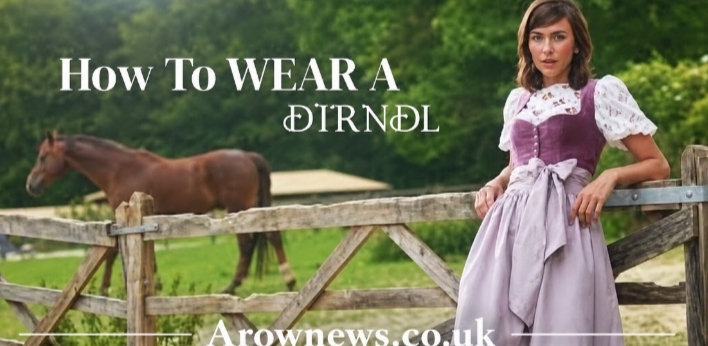

The dirndl is a traditional German dress that has gained popularity worldwide for its cultural significance, versatility, and stunning design. Whether you’re attending an Oktoberfest celebration or simply embracing a unique style, learning how to wear and style a can be both exciting and rewarding. In this guide, we’ll take you step-by-step through everything you need to know about wearing a with confidence, from its origins to styling tips.
What is a Dirndl?
A dirndl is a traditional dress, usually worn by women in Germany, Austria, and parts of Switzerland. The outfit typically consists of a bodice, a blouse, a full skirt, and an apron. The is often worn with a variety of accessories and is most commonly seen during cultural events like Oktoberfest. Though the design has remained relatively consistent, modern dirndls come in a variety of styles, colors, and fabrics to suit different tastes and occasions.
The History of the Dirndl
The dirndl originated in the Alpine regions of Europe, particularly in the Bavarian and Tyrolean regions. Initially worn by rural working women in the 19th century, the dirndl was practical, comfortable, and easy to wear. Over time, the became more refined and evolved into a symbol of cultural identity, particularly in German-speaking countries.
In the modern era, the dirndl has become a beloved fashion statement, and wearing it during festivals such as Oktoberfest has become a tradition in many parts of the world.
How to Wear a Dirndl: A Step-by-Step Guide
Wearing a dirndl correctly is essential to achieving its full beauty and cultural significance. Follow these simple steps to wear a the right way:
1. Choose the Right Dirndl
When selecting a , consider factors like the occasion, your body sape, and your personal style. Dirndls come in a variety of lengths, fabrics, and colors, so it’s important to choose one that suits your personality and needs.
- Short Dirndl: Ideal for a more casual, youthful look. Perfect for festivals and outdoor events.
- Long Dirndl: A more formal option, typically worn for traditional events or dinner parties.
- Material: Cotton dirndls are perfect for warmer weather, while velvet or wool are better suited for cooler temperatures.
2. Pair it with the Right Blouse
The blouse is an integral part of the dirndl look. The most traditional blouse features puffed sleeves and a simple neckline. However, modern variations offer a wider selection, including lace blouses, deep V-neck styles, and even sleeveless tops.
For a classic touch, a white cotton blouse with puff sleeves works best. For a more sophisticated or stylish look, opt for a lace or silk blouse.
3. Accessorize Your Dirndl
The beauty of the dirndl lies in its accessorization. Here are a few options to elevate your look:
- Apron: Every dirndl comes with an apron that ties around the waist. The position of the apron tie is significant:
- Tied on the left: You’re single and ready to mingle.
- Tied on the right: You’re in a relationship or married.
- Tied in the center: A symbol of being a “virgin” or uncommitted.
- Tied at the back: Widowed or a working woman.
- Jewelry: Keep it simple with traditional pieces like a silver necklace or a charming brooch. Avoid anything too flashy that might overpower the outfit.
- Shoes: Comfortable flats, ballet pumps, or low heels are ideal. Stick to neutral shades like black, brown, or beige for a traditional look, or go bold with colorful shoes to add a modern twist.
4. Style Your Hair
Traditional dirndl hairstyles often include braids or buns. Consider the following options:
- Braided Crown: A classic and elegant style for dirndl wearers. This hairstyle is perfect for festivals and adds a charming, rustic touch.
- Loose Waves: For a more casual appearance, you can wear your hair in loose waves, creating a relaxed vibe.
- Bun or Updo: A neat bun or updo complements a more formal look, particularly for longer dirndls or evening events.
5. Make-Up to Match the Dirndl
Keep your makeup natural and subtle when wearing a dirndl. Focus on fresh, glowing skin and soft eye makeup. A simple lip color, like a natural pink or peach, will complement the traditional aesthetic. If you’re attending a festival, you can add a little extra glam with bold lipstick, but don’t overdo it.
Where to Wear a Dirndl
While dirndls are commonly worn during festivals like Oktoberfest, they’re also a fantastic choice for:
- Weddings: In some regions, dirndls are worn as part of a wedding ceremony, particularly in rural areas. Brides often wear a custom-made dirndl for the occasion.
- Cultural Events: Any event that celebrates Bavarian or Alpine traditions is a great time to wear a dirndl.
- Themed Parties: Dirndls are a great option for Oktoberfest-themed parties or any event that requires a cultural costume.
Tips for a Perfect Dirndl Look
Here are some final tips for wearing a with confidence:
- Fit is Everything: Ensure your dirndl fits well. The bodice should hug your waist, and the skirt should flow comfortably without being too tight.
- Don’t Overdo It: While accessories and styling are important, keep it tasteful. A is already a statement piece, so avoid overwhelming it with too many accessories.
- Practice Your Posture: The dirndl is designed to highlight your figure, so maintain good posture for a polished, elegant look.
- Keep it Comfortable: Choose fabrics and styles that you feel comfortable in. You’ll look better and feel more confident if you’re not constantly adjusting your outfit.
Conclusion: Why You Should Wear a Dirndl
The dirndl is more than just a dress; it’s a cultural icon that represents history, tradition, and style. Whether you’re attending a festival, celebrating a special event, or simply embracing a vintage aesthetic, wearing a dirndl can be a beautiful way to honor its cultural roots while adding your own personal flair. By following these styling tips and learning how to wear a properly, you can ensure that you not only look great but also embrace this iconic piece of history with pride.