

Introduction
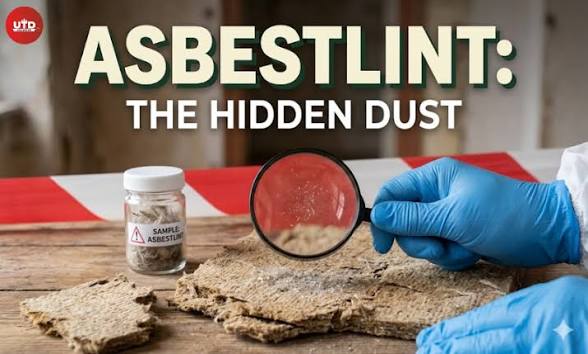
Asbestlint is a term used to describe fine fibers or dust generated from asbestos-containing materials. Though often overlooked, asbestlint can pose serious health risks if inhaled or mishandled. Understanding what it is, how it behaves, and how to safely manage it is crucial for homeowners, contractors, and DIY enthusiasts.
This guide will explain asbestlint in simple terms, show practical steps for safe handling, and provide real-life examples to prevent exposure and contamination.
What Is Asbestlint?
Asbestlint is essentially tiny asbestos fibers that become airborne during the handling, cutting, or deterioration of asbestos-containing materials. These fibers are microscopic, lightweight, and can remain suspended in the air for long periods.
Key Characteristics:
- Invisible to the naked eye in small quantities.
- Can settle on surfaces and accumulate over time.
- Highly dangerous if inhaled repeatedly.
- Usually found in old insulation, roofing, flooring, and industrial materials.
Example: Removing old asbestos insulation in a building can release asbestlint into the air, requiring careful safety measures.
Why Asbestlint Is Dangerous
Exposure to asbestlint is linked to severe health conditions, including:
- Asbestosis: A lung scarring disease caused by prolonged inhalation.
- Lung cancer: Even minimal exposure over time increases risk.
- Mesothelioma: A rare but aggressive cancer primarily linked to asbestos.
Important: Even brief exposure can be hazardous in poorly ventilated areas.
Step-by-Step Guide to Handling Asbestlint
1. Identify Sources of Asbestlint
- Check older homes, industrial sites, or renovation areas.
- Look for deteriorated insulation, ceiling tiles, cement sheets, or floor tiles.
- Inspect materials carefully; if in doubt, assume fibers may be present.
2. Wear Proper Protective Gear
- Respirators: Use a P100 or HEPA-rated mask.
- Protective clothing: Coveralls, gloves, and boot covers.
- Eye protection: Safety goggles to prevent fibers from entering eyes.
3. Minimize Dust Generation
- Avoid sanding, cutting, or breaking asbestos materials.
- Wet the surface lightly to reduce airborne dust.
- Use hand tools instead of power tools whenever possible.
Example: If removing an old asbestos floor tile, spraying it with water before lifting prevents asbestlint from spreading.
4. Safe Removal and Containment
- Place asbestos-containing materials in sealed, labeled bags.
- Do not throw them in regular trash bins.
- Clean the area using HEPA-filter vacuums, never dry sweeping.
5. Clean-Up and Disposal
- After handling, carefully remove protective clothing and seal it in a bag.
- Shower immediately to wash off any fibers.
- Follow local regulations for asbestos disposal; many regions require certified disposal sites.
Real-Life Examples of Asbestlint Management
- Renovating a 1970s Home: Contractors used wet removal techniques and HEPA vacuums to remove ceiling insulation safely. No fibers escaped into living areas.
- Industrial Maintenance: Workers in an old factory used protective gear and sealed removal methods, preventing long-term exposure.
- DIY Awareness: Homeowners avoided cutting asbestos cement sheets and hired certified professionals, minimizing risk entirely.
Common Mistakes to Avoid
- Ignoring the presence of asbestos: Even small amounts of asbestlint are hazardous.
- Using standard masks or vacuums: Ordinary equipment cannot filter asbestos fibers.
- Improper disposal: Discarding asbestos in regular trash can contaminate the environment.
- Neglecting protective clothing: Fibers cling to clothes and can spread to other areas.
Tips for Safe Asbestlint Handling
- Always assume old insulation, tiles, or cement sheets may contain asbestos.
- Keep children and pets away from renovation or demolition sites.
- Hire certified asbestos removal professionals when in doubt.
- Educate yourself on local safety regulations and disposal rules.
- Maintain good ventilation and avoid creating dust clouds.
Conclusion
Asbestlint is a serious hazard that requires careful attention. By identifying sources, using protective gear, minimizing dust, and following proper removal and disposal methods, you can protect yourself, your family, and the environment.