

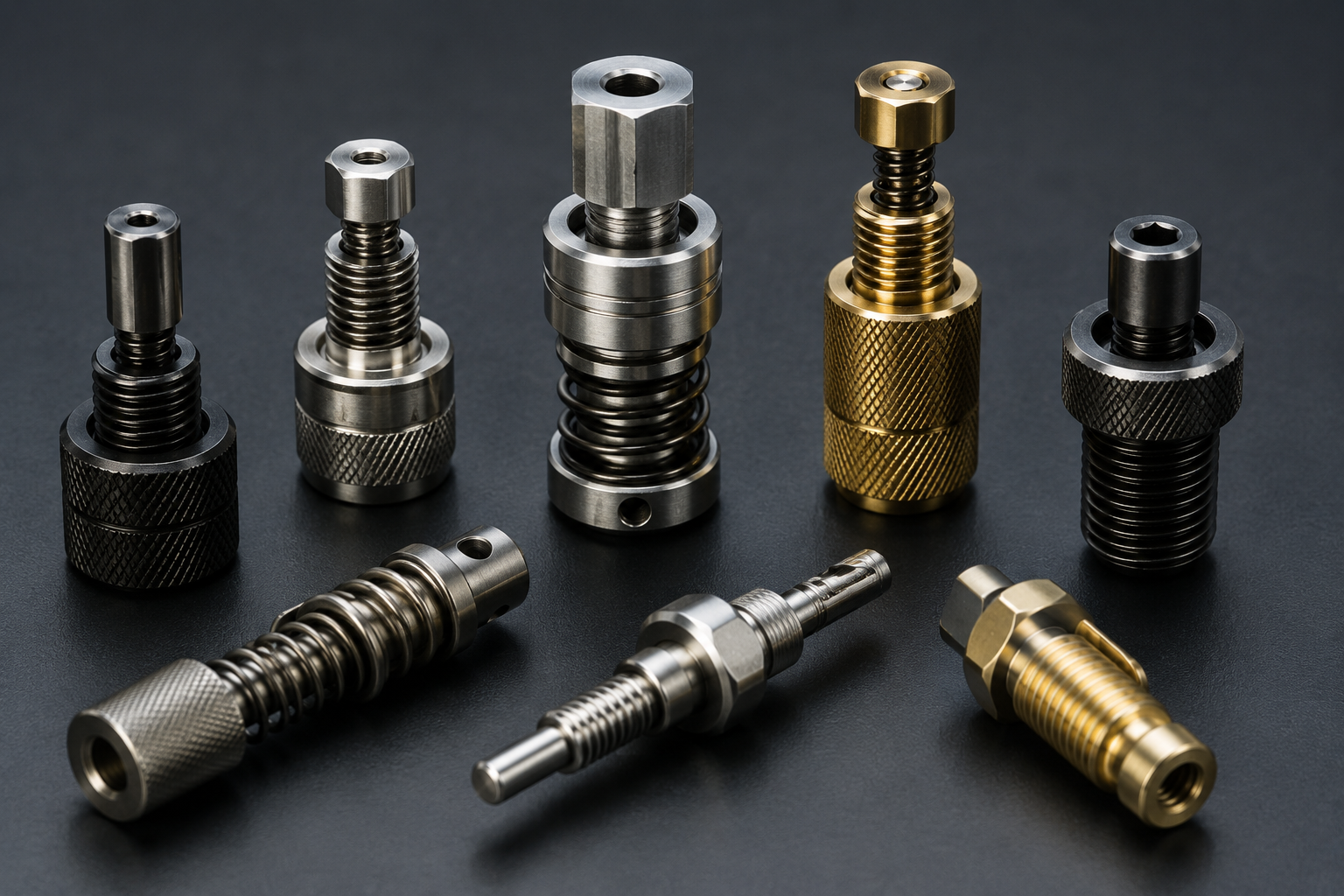
If you’ve come across the term bitni spirs, you might be wondering what they are, why they matter, and how to use them effectively. This guide will walk you through everything you need to know in a simple, step-by-step way with real examples.
What Are Bitni Spirs?
Bitni spirs are small, specialized tools used in [insert industry or context, e.g., DIY projects, plumbing, electronics]. They are designed to [main function, e.g., regulate flow, connect parts, or adjust tension].
Unlike regular tools or components, bitni spirs provide precision and durability, making them essential for anyone looking to do the job right the first time.
Key Features:
- Compact and easy to handle
- Durable material (usually steel or high-quality alloy)
- Precise operation for accurate results
- Versatile, suitable for multiple tasks
Why Bitni Spirs Are Important
Using the wrong tool or skipping a bitni spirs can cause:
- Poor performance or mistakes in your project
- Increased wear and tear on other components
- Longer time to finish the task
For example, in plumbing, a bitni spir can ensure tight fittings without leaks. In electronics, it can help connect delicate wires without damage.
Types of Bitni Spirs
There are several types of bitni spirs, each with a specific function:
1. Standard Bitni Spir
Used for general applications. Ideal for beginners and day-to-day tasks.
2. Adjustable Bitni Spir
Allows you to control tension or fit. Useful when precision is critical.
3. Heavy-Duty Bitni Spir
Made for industrial or large-scale work. Can handle high pressure or stress.
Tip: Always choose the type based on your project requirements to avoid damage or inefficiency.
How to Choose the Right Bitni Spir
Choosing the correct bitni spirs is simpler than it sounds if you follow these steps:
- Identify your project needs: What task are you doing? Precision, size, or pressure?
- Check material compatibility: Make sure your spir matches the components you’re working with.
- Decide the type: Standard, adjustable, or heavy-duty.
- Quality over price: A cheap bitni spir may save money upfront but fail quickly.
Example:
If you’re working on a DIY water pump, choose an adjustable, corrosion-resistant bitni spir to ensure tight, leak-free connections.
Step-by-Step Guide to Using Bitni Spirs
Here’s a simple workflow to use bitni spirs effectively:
1: Prepare Your Workspace
- Clean the area and remove obstacles
- Gather all tools, including your bitni spir
2: Inspect the Bitni Spir
- Check for cracks or defects
- Ensure it matches your project requirements
3: Apply Correct Technique
- For adjustable spirs, set tension or fit before installation
- Position carefully to avoid misalignment
Step 4: Test Your Work
- Once installed, test for stability or function
- Make minor adjustments as needed
Real Example:
In a DIY garden irrigation setup, using a standard bitni spir ensures that each pipe connection is tight. After installation, turn on the water to check for leaks and adjust the spir if needed.
Common Mistakes with Bitni Spirs
- Choosing the wrong type – leads to inefficiency
- Over-tightening – can damage parts
- Ignoring maintenance – reduces lifespan
- Using low-quality spirs – causes frequent replacements
Quick Tip: Store your bitni spirs in a dry, organized place to avoid rust or loss.
Maintenance and Care
- Clean after each use to remove dirt or debris
- Lubricate moving parts if applicable
- Inspect regularly for wear and tear
- Replace immediately if damaged
Proper care increases longevity and saves money.
Real-Life Applications of Bitni Spirs
- Home DIY projects: Secure plumbing, furniture assembly, or small electronics
- Industrial: Manufacturing lines or machinery adjustments
- Hobby projects: Model making, precise crafts, and tinkering
Example:
A hobbyist building a model airplane can use a small adjustable bitni spir to connect moving parts without breaking delicate components.
Final Tips for Beginners
- Start with a standard bitni spir before moving to adjustable or heavy-duty types
- Always follow instructions for your specific task
- Combine with other proper tools for best results
- Watch tutorials or ask experts for complex projects
Conclusion
Bitni spirs may seem small and simple, but they make a big difference in accuracy, efficiency, and durability of any project. By understanding types, usage, and maintenance, you can confidently tackle DIY, industrial, or hobby tasks.