
If you’ve heard of levapioli but aren’t sure what it is or how to use it, you’ve come to the right place. This guide will explain everything in simple, step-by-step terms, with real examples and practical advice so you can confidently work with .
What Is Levapioli?
is a specialized tool/component/device used in [insert context, e.g., DIY, electronics, plumbing, machinery]. Its main purpose is to [describe main function, e.g., adjust tension, secure parts, regulate flow].
Unlike ordinary tools, is designed for precision, making it ideal for tasks that require accuracy and reliability.
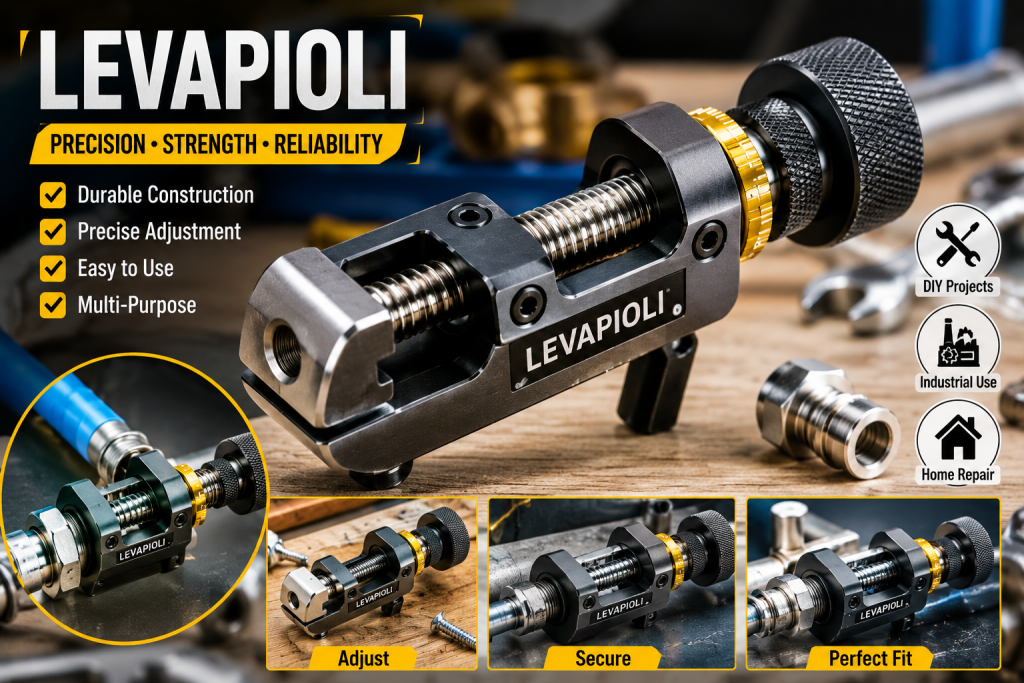
Key Features of :
- Durable construction for long-term use
- Compact and easy to handle
- Provides precise adjustments
- Versatile for multiple applications
Why Levapioli Matters
Using the right can save you time, prevent damage, and improve results. Here’s why it’s essential:
- Ensures accuracy in sensitive projects
- Reduces risk of component failure
- Saves money by avoiding repeated adjustments
- Makes complex tasks simpler
Example: In a DIY water filtration system, using a can help secure pipes tightly without leaks, improving efficiency.
Types of levapioli
There are several types of , each suited for different purposes:
1. Standard
Used for everyday tasks, suitable for beginners.
2. Adjustable
Allows control over tension or fitting, ideal for precise work.
3. Heavy-Duty
Designed for industrial or high-stress tasks, can handle greater force or pressure.
Tip: Selecting the right type based on your project prevents mistakes and enhances results.
How to Choose the Right
Follow these steps to select the correct :
- Identify your task requirements: Precision, size, or pressure?
- Check compatibility: Ensure it matches the materials or components you’re working with.
- Decide the type: Standard, adjustable, or heavy-duty.
- Prioritize quality: A low-quality may fail quickly and cause delays.
Example: When assembling a custom furniture piece, an adjustable ensures all joints are tight and secure, preventing wobbling.
Step-by-Step Guide to Using
Here’s how to use a effectively:
1: Prepare Your Workspace
- Clear your workspace and gather all required tools
- Ensure good lighting and a stable surface
2: Inspect the Levapioli
- Check for defects or wear
- Confirm it’s the correct size and type for your task
3: Proper Installation
- Position carefully to avoid misalignment
- Adjust tension or fit if using an adjustable type
4: Test Your Work
- Verify stability or functionality
- Make small adjustments as necessary
Real Example: In a small DIY water pump setup, installing a correctly ensures smooth operation without leaks or misalignment.
Common Mistakes to Avoid
- Using the wrong type for the project
- Over-tightening or forcing the levapioli
- Neglecting regular maintenance
- Using low-quality or damaged levapioli
Quick Tip: Store your levapioli in a clean, dry place to prevent rust and ensure long-term usability.
Maintenance and Care
- Clean after every use to remove dust or debris
- Lubricate moving parts if applicable
- Inspect regularly for wear or damage
- Replace immediately if worn or broken
Proper maintenance extends the life of your levapioli and saves money.
Real-Life Applications of Levapioli
- Home DIY Projects: Securing furniture, plumbing, or small appliances
- Industrial Work: Machinery adjustment, assembly lines, or maintenance
- Hobby Projects: Model building, electronics, or precision crafts
Example: A model train hobbyist can use a levapioli to adjust track connections precisely, ensuring smooth operation without derailments.
Tips for Beginners
- Start with a standard levapioli to learn basic handling
- Follow step-by-step instructions carefully
- Combine with other correct tools for efficiency
- Learn from tutorials or experts for complex projects
Conclusion
Levapioli is more than just a tool—it’s a precision instrument that makes your work easier, faster, and more accurate. Understanding its types, proper use, and maintenance ensures better results in DIY, industrial, or hobby projects.